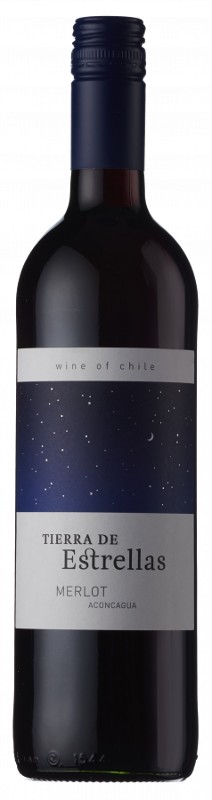
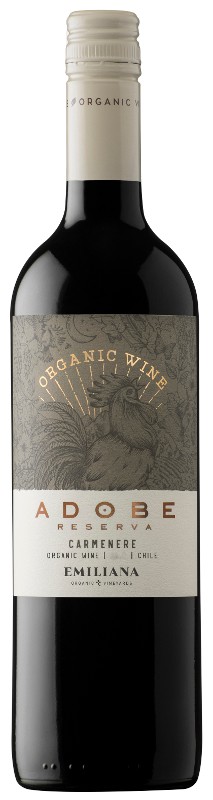
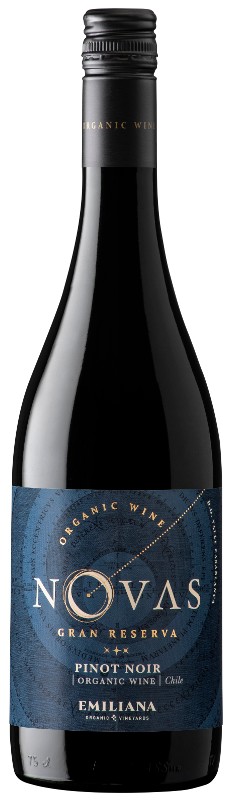
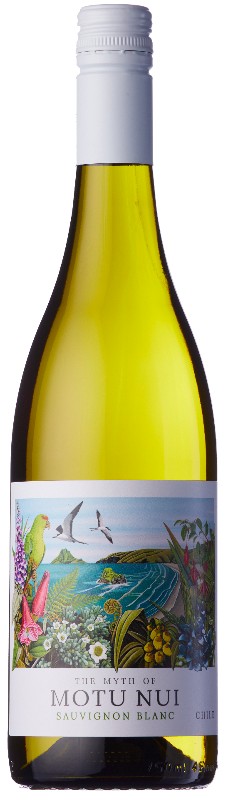
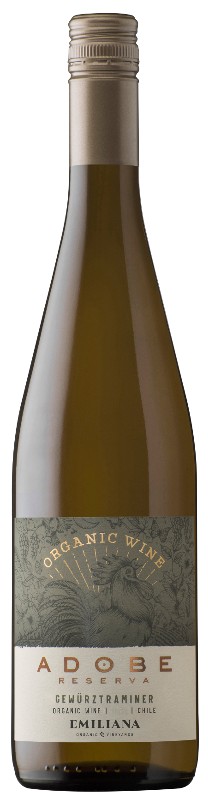
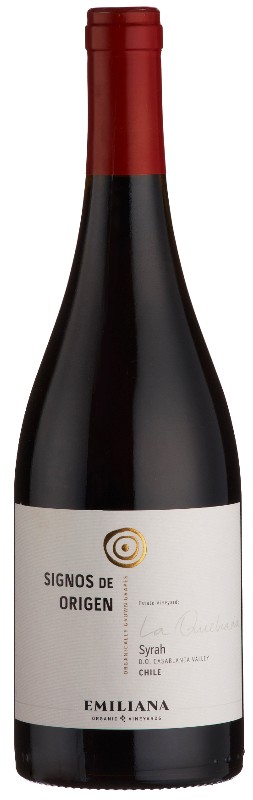
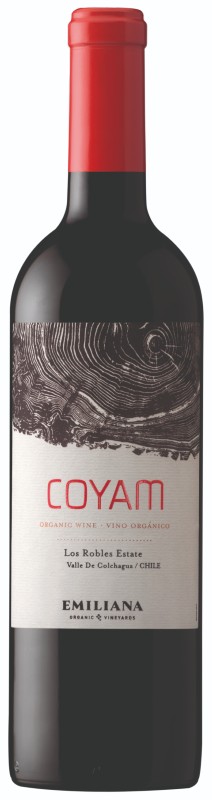
In the '80s the price conscious end of the market was taken care of by all those unremarkable, if inexpensive, Bulgarian wines. They did the job required of them at the time, but consumers eventually tired of them. It was time to move on. Chile stepped forward to fill the gap and today many people still regard her wines as an exclusively cheap option. It's an unavoidable consequence of banging away at the volume market, but needs to be countered by underlining just how good the wines can be. When producers are not being bullied by UK supermarkets into shoe-horning cheap juice into unrealistic price points, they gain the width to do the job properly. You don't have to dig too much deeper into your pocket before the wine stops being cheap and starts becoming good value, which is not the same thing at all. The commercial advantage lies in the level after supermarket cheap and the ability to produce good, clean, affordable wines which are well-defined with varietal clarity. The wines from Calbuco and Villarrica demonstrate that very well. Chile's low pollution levels, fertility and relative remoteness all contribute to her considerable range of possibilities; you only have to taste Alvaro Espinosa's intense and fascinating Coyam to experience how good it can get here.
|